Exploring the Best Watches For Men Available Today
Professional Advice for Maintaining Your Watches for Men to Maintain Longevity
Maintaining your watch properly is vital if you desire it to serve you for years. Regular cleaning and proper storage can create a substantial impact in its durability. Moreover, recognizing how to find common issues can help you avoid costly repairs. But what are the top strategies to confirm your timepiece remains in excellent condition? Let's review some expert tips that every watch owner should take into account.
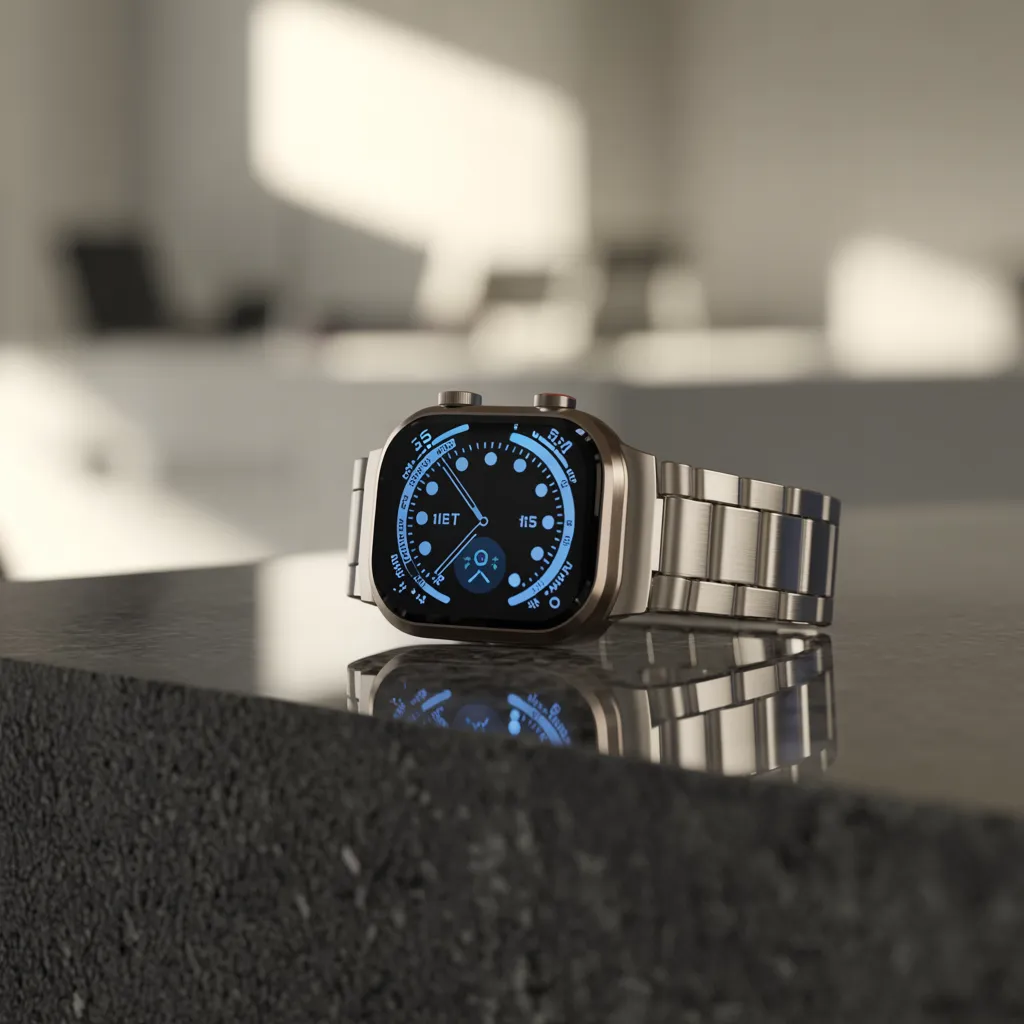
Expert Tips for Watch Cleaning
Maintaining your watch looking flawless requires routine cleaning. Begin by gathering a soft, lint-free cloth and a soft brush, like a toothbrush. First, gently wipe the watch face to remove dust and fingerprints. Next, dip the brush in warm, soapy water, making sure the soap is mild. Carefully clean the bracelet and case, concentrating on crevices where dirt collects. Rinse the watch under lukewarm water, avoiding the crown and any openings. Dry it thoroughly with the cloth, verifying no moisture remains. For leather straps, use a damp cloth and a leather conditioner to retain softness. Regular cleaning not only elevates your watch's appearance but also extends its lifespan, keeping it in top condition for years to come.
Proper Watch Storage Guidelines
With regards to storing your watches, employing a high-quality watch box is vital for protection. You should also keep them far from direct sunlight and maintain optimal humidity to prevent damage. By following these tips, you'll ensure your watches stay in top condition for years to come.
Use Watch Storage Boxes
Even though you could be drawn to simply put your watches in a drawer, working with a watch box ensures they remain protected and organized. A high-quality watch box keeps your timepieces protected from abrasions, dust, and unintentional damage. When choosing a box, look for one with soft, lined compartments that hold each watch individually. This prevents them from clanking against each other and decreases damage.
Moreover, maintaining a designated spot for each watch makes it more convenient to locate the one you desire, conserving time and stress. Be sure to keep your watch box in a temperature-controlled, dry area, away from dampness or extreme temperatures. By putting money in a good watch box, you'll ensure your collection remains in outstanding condition for years to come.
Avoid Direct Sunlight
Your watches can be damaged by direct sunlight, so it's important to position them away from bright light sources. UV rays can cause fading of the dial, harm the movement, and deteriorate the materials over time. While your watches are not in use, house them in a dark and moisture-free space, for example a dedicated watch box or drawer. If you have a display case, make sure it has a UV-protective glass cover. Refrain from positioning your watches near windows or areas with direct sunlight exposure. You could also think about using a soft cloth to cover them if you need to keep them on display. By shielding your watches from sun exposure, you'll help keep their aesthetic appeal and function for years to come.
Sustain Perfect Humidity
What's the best way to ensure your watches keep their pristine condition? Maintaining ideal humidity is key. Strive for a humidity level between 40-60%. Excess moisture can create rust and damage the internal mechanisms, while not enough humidity can dry out lubricants. Get a quality watch box with humidity control or silica gel packets to absorb excess moisture. When storing, avoid basements or attics where humidity levels fluctuate. Instead, pick a consistently cool, stable environment like a closet. If you are located in a particularly humid area, consider using a dehumidifier. Consistently check the humidity levels to ensure your watches stay protected. By taking these steps, you're not just storing a watch; you're protecting a piece of craftsmanship Mens Luxury Watches for years to come.
Preserving Your Watch's Quality: Tips and Tricks
To maintain your watch in excellent condition, it's crucial to embrace a few simple maintenance practices. Regularly clean your watch with a soft cloth to wipe away dust and fingerprints. Prevent exposing it to extreme temperatures, as this can influence its accuracy. If you have a mechanical watch, wind it routinely to keep the movement running smoothly. For water-resistant models, verify the crown is fully pushed in or screwed down before exposure to water. Place your watch in a dry, cool location when not in use, optimally in a watch box or winder. Finally, consider professional servicing every few years to preserve its operation and look. These small steps will guarantee your watch remains in excellent condition for years to come.
Typical Watch Troubles and Methods to Resolve Them
Watch owners commonly deal with typical problems such as battery replacements, water resistance failures, and strap damage. Learning how to resolve these issues can help you save time and money. We'll discuss some reliable approaches for maintaining your timepiece in excellent condition.
Battery Swap Techniques
When your watch starts losing time or stops altogether, this typically indicates the battery requires replacement. Start by, collect the necessary tools: a watch case opener, precision tweezers, and a battery that matches your watch model. Carefully open the case back using the case opener, being careful to avoid scratching the surface. Once opened, locate the battery and use tweezers to lift it out gently. Position the new battery, verifying it's securely placed in its slot. Before you close the case, ensure the watch operates properly. Finally, secure the case back firmly. Be sure to dispose of the used battery properly. Periodic battery replacements help extend your watch's longevity and ensure precise time.
Water Resistance Issues
Battery problems aren't the sole concern for watch owners; water resistance is another common problem that can affect your timepiece. Even though your watch claims to be water-resistant, it can lose its moisture protection capabilities over time. Regularly check the gaskets and seals, as these are the first lines of defense against water damage. If you notice condensation under the crystal, you must act right away. Eliminate the condensation by placing it in a warm, dry area, but don't expose it to direct heat. If the problem continues, see a professional watchmaker for a complete examination and possible resealing. Remember, preserving water resistance is crucial for your watch's durability and performance.
Methods for Strap Repair
Deteriorated or worn watch straps can substantially influence the overall appeal and comfort of your timepiece. If you detect fraying or cracks, consider simple repair methods before replacing the entire strap. For leather straps, use a leather conditioner to restore flexibility and prevent further damage. If you discover a small tear, you can apply a leather adhesive for a short-term solution. For fabric straps, repairing loose stitching or using fabric glue can help. Metal straps may necessitate tightening loose links or replacing a broken clasp. Always clean your straps regularly to keep their condition. If repairs don't suffice, investing in a new strap can refresh your watch while ensuring it remains elegant and wearable.
The Value of Professional Servicing
Although routine maintenance is crucial for keeping your watch in peak performance, professional servicing takes it to the next level. These expert check-ups ensure that every component, from the movement to the casing, functions correctly. Watchmakers can spot potential issues that you might overlook, such as subtle wear or lubrication requirements. By investing in professional servicing, you're not just maintaining aesthetics; you're boosting accuracy and increasing the lifespan of your timepiece. Typically, it's recommended to have your watch serviced every three to five years, depending on the model and usage. This proactive approach keeps your watch running flawlessly and can protect you from costly repairs down the line. Don't skip this essential step if you want your watch to last a lifetime.
Recommendations for Keeping Your Watch Safe From Damage
Safeguarding your watch from damage is vital to preserving its appearance and functionality. Begin by keeping your watch in a dedicated box or pouch when you're not wearing it, keeping it away from moisture and dust. Avoid using it during high-impact activities; a single bump can result in costly repairs. Frequently examine the watch for scratches on the crystal and case, and consider using a protective film or case to minimize wear. Be cautious of extreme temperatures, which can influence accuracy. Finally, keep your watch away from chemicals found in household cleaners and personal care products, as they can damage the materials. By following these recommendations, you can guarantee your watch remains in outstanding condition for years to come.
Contemporary Shifts in Watch Maintenance
With watch collectors placing growing emphasis on care and maintenance, today's trends demonstrate a shift towards increasingly customized and technology-driven approaches. You might notice more watch brands providing tailored care kits, customized for your watch type and lifestyle. Smart wearables are similarly pioneering the way, integrating apps that prompt you to service your timepiece or verify battery life.
In addition, there's a growing emphasis on sustainable practices, with brands employing eco-friendly materials for watch care products. You may also find community-driven forums where other watch lovers share tips and experiences, enhancing your knowledge.
Lastly, professional cleaning services have grown more accessible, making certain your watch remains in perfect condition without the hassle. Embracing these trends can help you maintain your collection's value and longevity.
Frequently Asked Questions
How Frequently Should I Wind My Automatic Watch?
It's recommended to wind your automatic watch each day if you wear it consistently. A manual wind is beneficial after not wearing it for a day or two to maintain optimal function.
Can I Keep My Watch On While Swimming?
You can wear your watch while swimming, though this depends on its water resistance rating. Be sure to check the specifications first to ensure it's safe for underwater activities and avoid exposing it to extreme conditions.
Which Materials Are Ideal for Watch Straps?
Leather, metal, silicone, and fabric are superb materials for watch straps. Leather delivers elegance, metal ensures durability, silicone is excellent for water activities, and fabric delivers comfort. Choose one that aligns with your style and needs!
What Impact Do Temperature Variations Have on My Watch?
Variations in temperature can influence your watch's functionality and accuracy. Excessive heat may damage internal components, while extreme cold can cause lubricants to become thicker. Keeping your watch within a moderate temperature range helps preserve its proper operation.
Is a Hairdryer Safe for Cleaning Purposes?
A hairdryer should not be used for watch cleaning. The temperature can damage fragile components and seals. Consider using a soft cloth or a watch-specific cleaning solution instead.